Committees
Each committee comprises County Delegates from the FUW’s twelve county branches as well as co-opted members and members of the FUW’s presidential team. The range of representation ensures a strong link between our members and FUW staff and policies. These committees are vital for gathering members’ opinions and concerns across the industry and provides our officials and staff with a democratic mandate. We represent the views that are gathered and provide a platform for sharing members' views at the highest political level.
Animal Health and Welfare
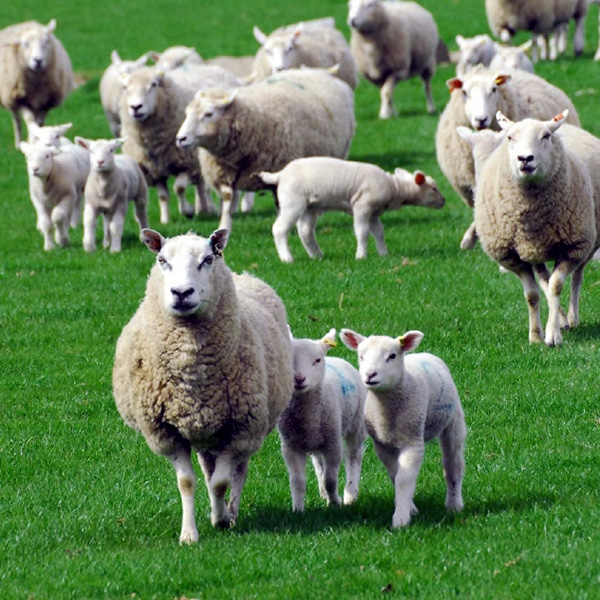
Achieving and maintaining high standards of livestock health and welfare is of paramount importance to the farming industry in Wales.
The FUW’s Animal Health and Welfare Committee is responsible for a wide range of livestock issues and works to promote and endorse best practise in animal husbandry.
This committee keeps up-to-date with all livestock health and welfare research and development.
Common Land
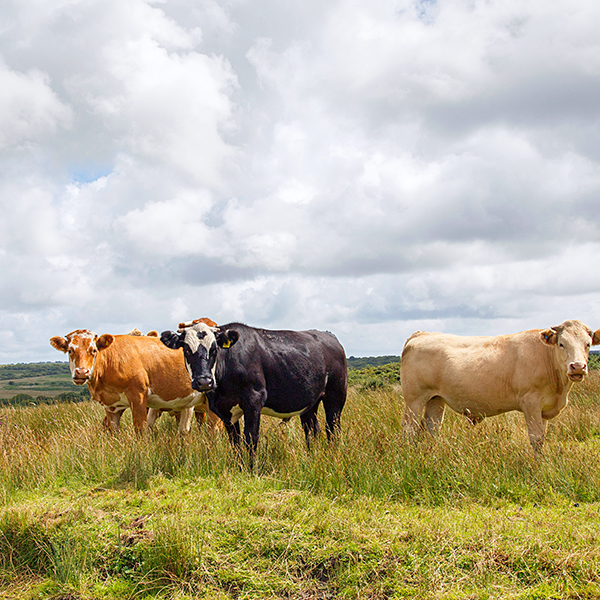
Almost a tenth of Welsh land is registered as common, and in some counties and regions it’s as much as 40 percent. Farmers with grazing rights on common land rely on a form of farming that dates back thousands of years.
However, the tradition of commoning continues to come under pressure, with many regarding common land as a recreational playground, rather than a working environment with often a unique biodiversity.
The FUW’s Common Land Committee ensures that members from across Wales have a voice in relation to the many complex issues and challenges that face guardians of common land.
Agricultural Education and Training Committee
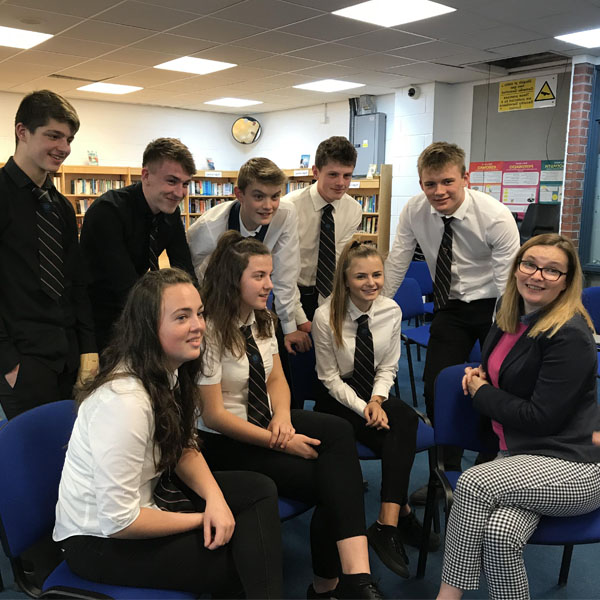
The Education and Training committee has a wide remit from early school years education to higher education at colleges and universities, including part-time and full time courses. The Committee focuses on agricultural education and training, or curricula that will prepare students for future study in the agriculture sector.
The Committee is supported by co-opted members, such as Farming Connect, Hybu Cig Cymru (Meat Promotion Wales), Health and Safety Executive (HSE), Linking Environment and Farming ( LEAF), National Training Organization for the Land Based Industries (LANTRA), who provide expert knowledge on individual topics.
Farm Diversification
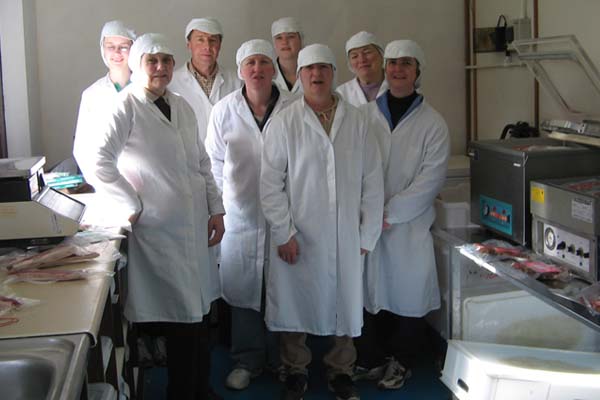
Diversification on farm has become vital for those seeking alternative income streams to improve farm business profitability. The committee addresses diversification opportunities, particularly options for self-catered accommodation and alternative energy supplies, alongside issues that directly or indirectly have an affect on the sector such as Tourism Tax.
The Farm Diversification committee provides a voice for delegates who have already done so or are looking into diversifying their farm business. We convey the feelings of our members at the highest levels of political influence.
Hill Farming and Marginal Land
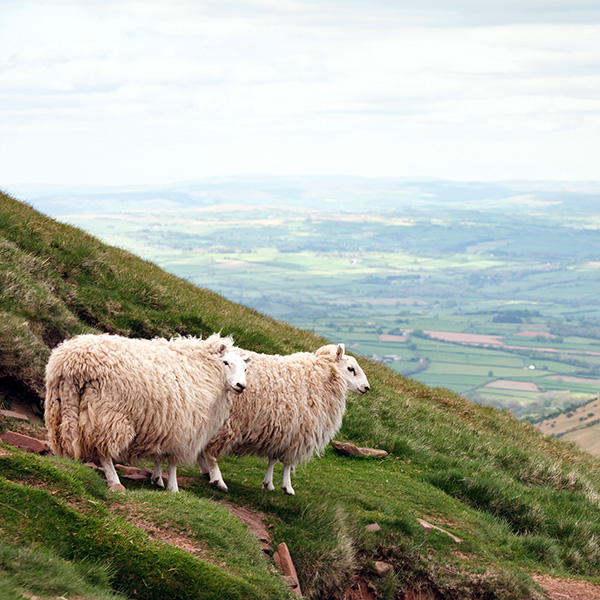
The rugged nature of much of Wales’ land, coupled with the low incomes of much of its population, means around 80 percent of Welsh land is categorised as Less Favoured Area. The majority of this is Severely Disadvantaged due to handicaps such as low fertility, high rainfall and short growing seasons.
Nevertheless, our hill farms and those on more marginal land form an essential part of our economy and landscapes. This is in terms of maintaining local economies and grazing animals on land where ecosystems have adapted over thousands of years to rely on sheep and cattle. Many farms still practice transhumance, the seasonal movement of livestock, in the form of the Welsh Hafod a Hendre system, just as their ancestors have done for thousands of years.
The FUW’s Hill Farming and Marginal Land Committee provides a voice for those farmers who farm some of Wales’ most marginal land.
Land Use and Parliamentary
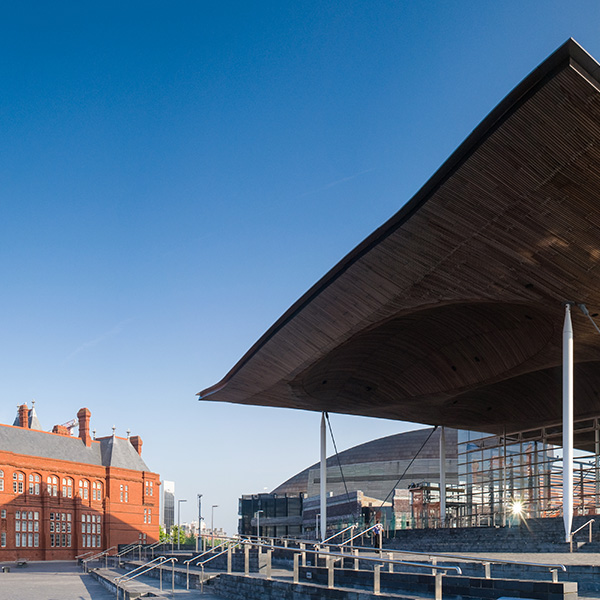
The Land Use and Parliamentary committee discusses all matters that relate to the use of agricultural land in Wales which in essence applies to all types of farmers. Agenda items include updates from the Wales Land Management Forum (WLMF) group, general licenses for birds, land access reforms and water management.
The lobbying of this committee is essential at a time whereby land use, water and pollution related regulations are becoming increasingly important.
Livestock, Wool and Marts
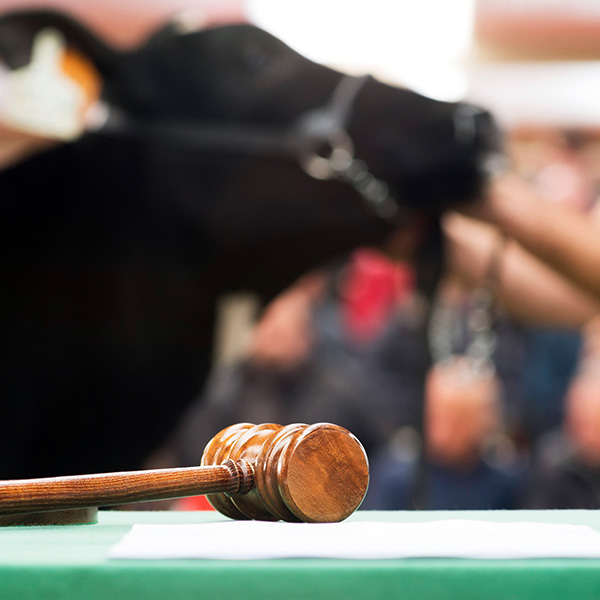
The majority of Welsh land is unsuitable for growing crops, meaning that almost two thirds of our farm holdings are livestock farms which rear sheep and cattle. Many of these are sold through the traditional livestock markets.
As well as producing Welsh Lamb and Welsh Beef, both of which are internationally recognised, around 8,000 tonnes of wool is delivered from Welsh farms annually, making up 27% of UK production.
Our Livestock, Wool and Marts committee ensures that the views of livestock farmers from across Wales can be heard at a national level.
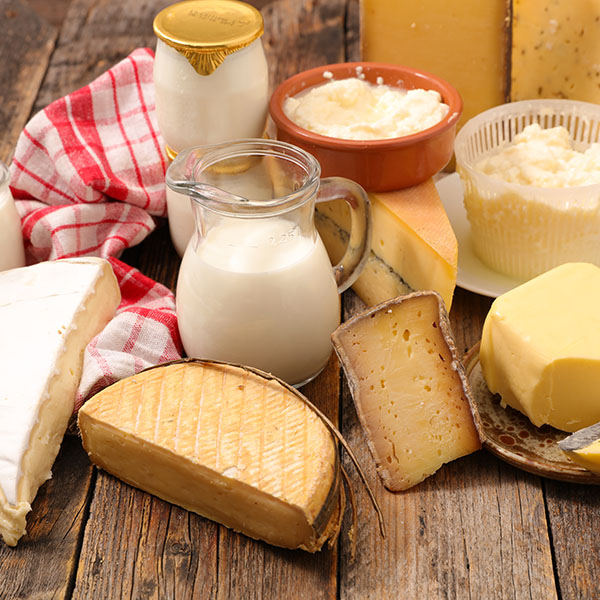
Milk and Dairy Produce
The FUW Milk and Dairy Committee was established to identify, discuss and act upon those issues specifically facing milk and dairy producers in Wales. The remit of the Committee is wide-ranging and encompassess matters relating to the entire dairy supply chain. It also lobbies on grassroots issues affecting dairy producers and their businesses.
Tenants
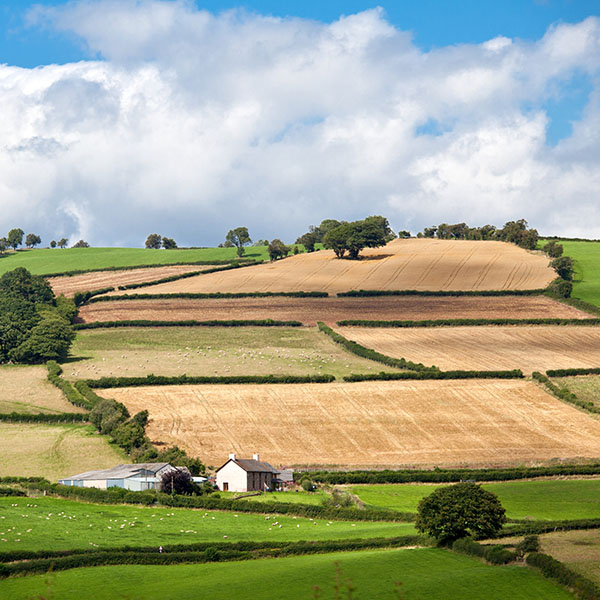
The FUW’s Tenants Committee ensures that the interests of those farms which are most reliant on rented land are properly represented at the highest political levels.
Younger Voice for Farming
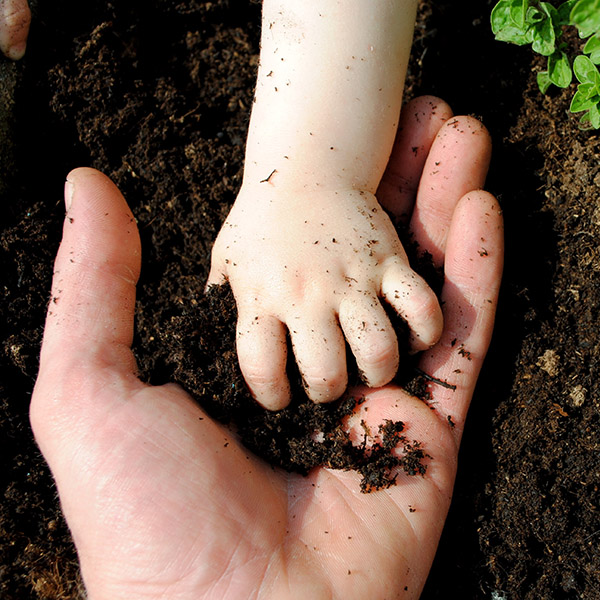
The Union continues to lobby the views and concerns of the committee delegates who are essentially the next generation of Welsh farmers. It highlights a broad array of challenges that younger farmers face such as land availability, but also opportunities available through grants, schemes and shared farming options that assist those who wish to expand.
A nominated delegate of the Younger Voice committee also sits on and works closely with the Wales YFC Council.