CONTACT
Amid escalating geopolitical tensions in the Gulf and a prolonged downturn in dairy markets, Welsh farmers are facing an increasingly severe financial squeeze, with rising production costs and depressed farmgate prices placing significant strain on agricultural businesses across the country.
Since the outbreak of the conflict in the Gulf, concerns surrounding the security of the Strait of Hormuz - a vital global shipping route for energy supplies - have triggered substantial increases in the cost of key farm inputs. Fertiliser prices have risen by as much as 53% compared with pre-conflict levels whilst fuel prices have surged sharply, with the cost of red diesel effectively doubling over recent months.
Adding to these concerns, recent analysis from the Central Association of Agricultural Valuers (CAAV) warns that tightening global oil markets could reach a tipping point in early June, with input cost pressures already visible through sharp rises in fuel and fertiliser prices. This would reinforce wider industry concerns about the vulnerability of farming systems to energy market shocks.
These mounting pressures come at a time when many dairy farmers are already struggling with persistently low milk prices. Previous research conducted by the Farmers' Union of Wales (FUW) showed a drastic reduction in milk prices since September 2025, leaving many producers operating well below the cost of production.
The situation is expected to intensify further as the spring flush approaches, bringing with it increased milk production volumes that traditionally place additional downward pressure on prices with a subsequent impact upon farm cashflow. For many Welsh dairy farms, the combination of volatile global markets, rising operating costs and weak returns is creating growing uncertainty around their financial viability in the months ahead.
In response to these challenges, the FUW has recently convened a series of discussions with major banking institutions to address the pressures currently facing the agricultural sector and to explore what support mechanisms may be available to help farm businesses. Meetings have already taken place with representatives from HSBC and NatWest, with discussions focusing on the importance of maintaining open communication with farmers and ensuring flexibility around lending arrangements, overdrafts and cashflow support during this exceptionally difficult period.
The union is urging farmers who may be experiencing financial pressure to engage proactively with their banks, accountants and advisers at the earliest opportunity, stressing that many lenders understand the extraordinary external factors affecting the industry and remain willing to work constructively with farm businesses.
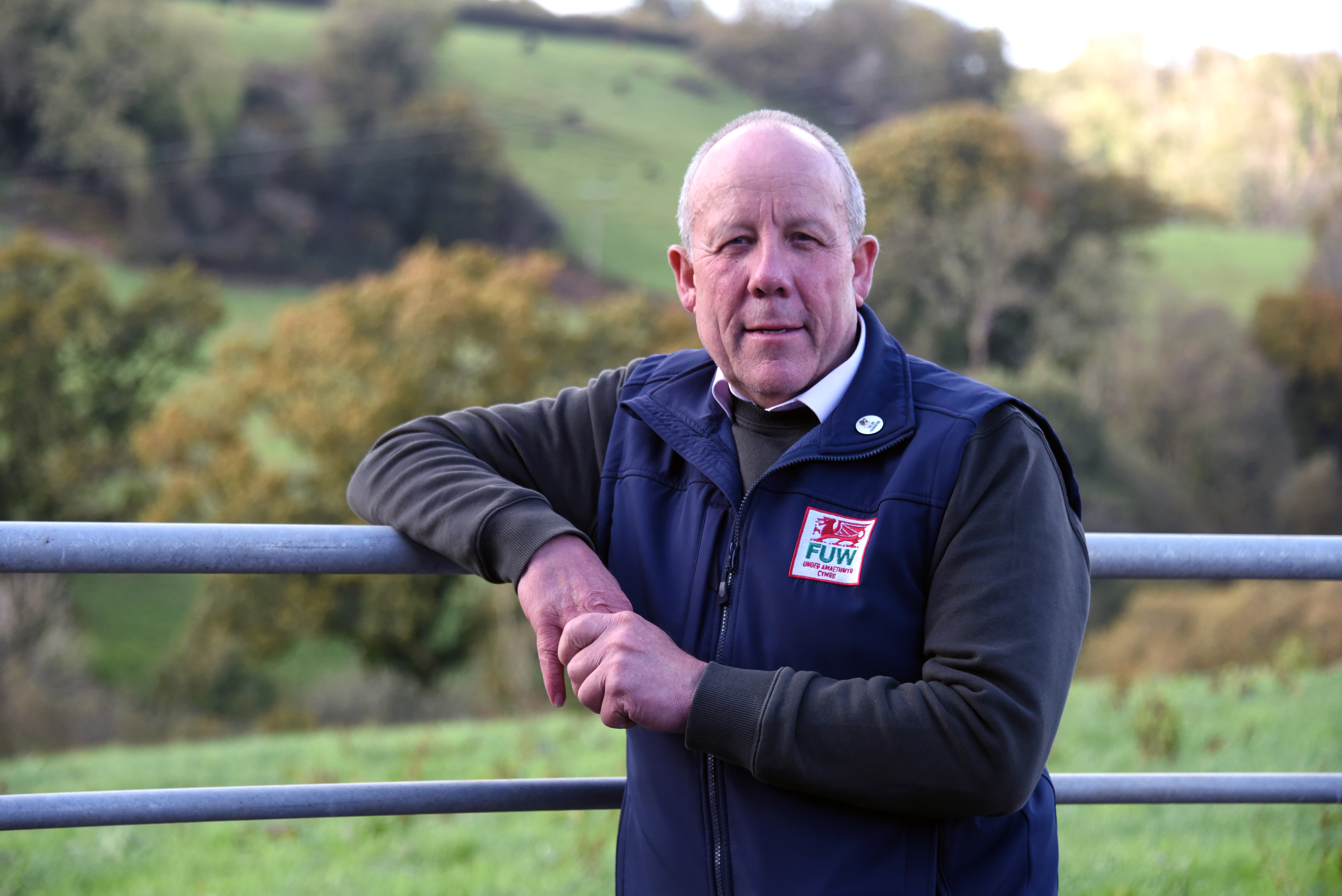
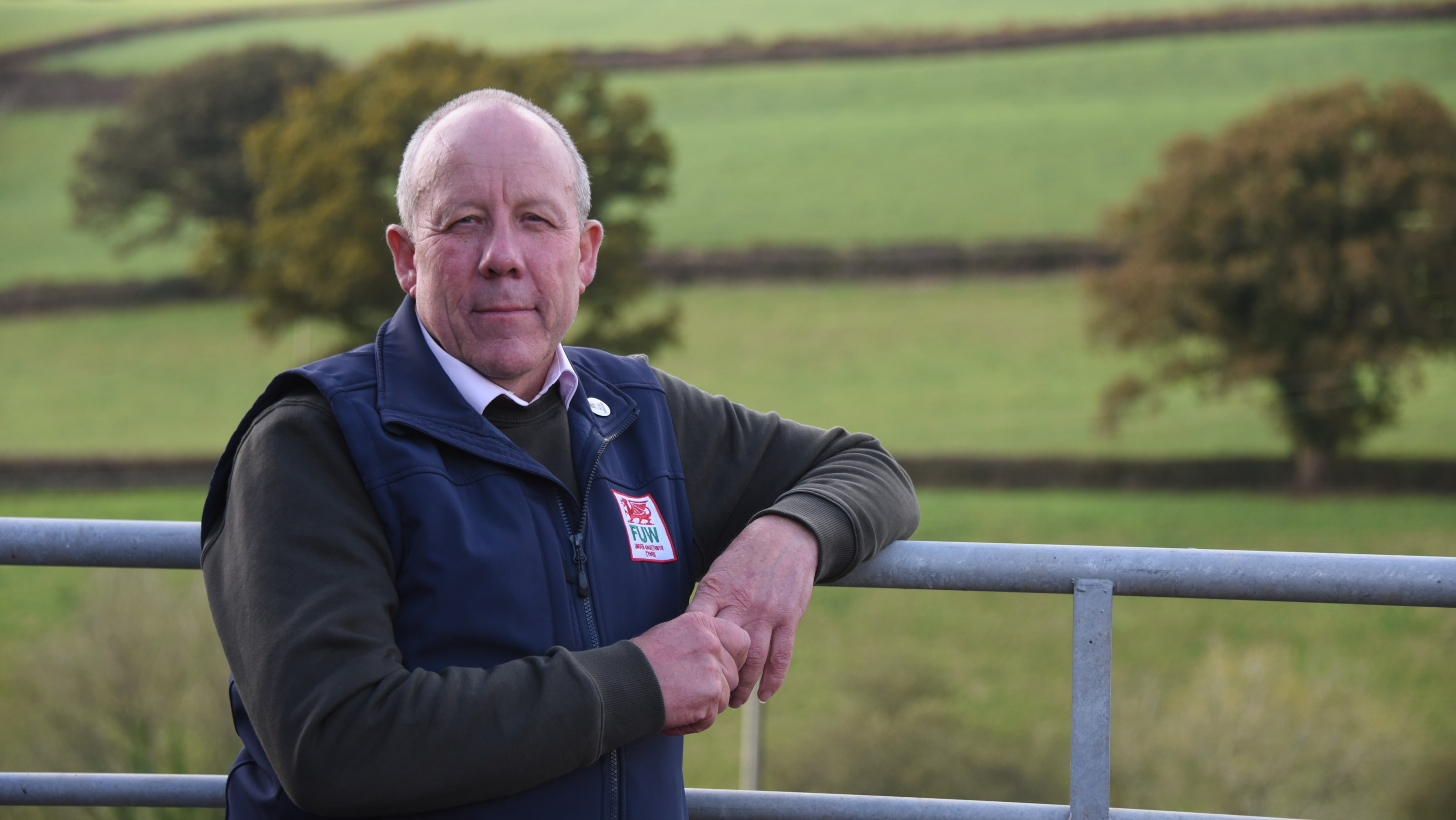
Commenting on the current situation, FUW President Ian Rickman said: “Welsh farmers are currently facing a perfect storm of international instability and soaring input costs. The sharp increases we are seeing in fertiliser and fuel costs are placing enormous pressure on farm businesses at a time when many dairy farmers are already producing milk below the cost of production.
“These challenges are completely outside farmers’ control, yet they are having a direct and immediate impact on the viability of family farms and rural communities across Wales. It is therefore vital that farmers speak openly and early with their banks and professional advisers if they are facing difficulties.
“Our recent discussions with major lenders have been constructive. It is encouraging that banks recognise the exceptional circumstances currently affecting the agricultural sector. Flexibility and understanding will be crucial in helping viable farm businesses navigate this period of uncertainty.”
The Farmers' Union of Wales (FUW) has welcomed the opportunity to meet with the newly appointed Welsh Government Cabinet Minister for Rural Resilience and Sustainability, Llŷr Gruffydd MS.
The meeting in Cardiff today (20 May) provided an early opportunity for the FUW to outline its key priorities as the independent voice for family farms in Wales, discussing synergies between the Union’s manifesto asks and the policy commitments of the Plaid Cymru Government on food and farming.
Aligning with the government’s commitment to a multi-year funding cycle for the Sustainable Farming Scheme, the FUW highlighted the importance of ensuring that future funding allocations deliver long-term stability for family farms while supporting food production, environmental outcomes and rural communities across Wales. Central to providing this stability for farm business planning is the need to guarantee the Universal Baseline Payment rates within the Scheme, and ensure that farmers have access to Optional and Collaborative support as quickly as possible.
The meeting also provided an opportunity for the FUW to outline its wider priorities for the incoming Welsh Government, including those that align with the government’s plans for the first 100 days of the parliamentary term.
Commenting following the meeting, FUW President Ian Rickman said: “We welcomed this early opportunity to discuss the policy areas that will receive urgent attention by the new Minister, including initial thoughts around the independent review of the bureaucratic burden on family farms in Wales, and how this will take into account ongoing work relating to bovine TB and the review of the Control of Agricultural Pollution regulations.
“We also discussed the opportunities to build on previous work to pull local supply chains together as part of a National Food Strategy. The FUW used this as an opportunity to reiterate its policy position on the need to ensure that any agricultural and/or environmental schemes and policies, current and future, will not have a negative effect on livestock numbers in Wales.”
The Union heard about the government’s plans to introduce a statutory duty on rural proofing, and welcomed the news that the wider importance of the Welsh farming and food and drink sectors will be given serious consideration within the economy and enterprise portfolios.
FUW Deputy President Dai Miles added: “We are very grateful to the Minister for meeting with us so early in his tenure. It was a valuable opportunity to set out the key issues facing Welsh farmers at a critical time for the industry. We look forward to working constructively with him and his team to ensure future policy delivers fairness, stability, and confidence for family farms across Wales.”
In their recent submission to DEFRA’s Call for Information on the UK-EU SPS Agreement, the Farmers’ Union of Wales (FUW) has reiterated its strong principle that the UK Government should seek a long-term arrangement with the EU that maintains simple, tariff-free access to the Single Market.
The UK–EU Sanitary and Phytosanitary (SPS) Agreement Call for Information, launched by Defra in March 2026 was a six-week consultation seeking evidence and views from businesses and stakeholders across the agri-food sector to inform the government’s approach to implementing a new SPS trade deal with the EU. It aimed to gather practical insight on how the proposed agreement - covering areas such as animal and plant health, food and feed safety, labelling, and pesticide regulation - would affect organisations, including the costs, benefits, and any required changes to operations.
The FUW’s submission highlighted the importance of the EU market to Welsh agriculture, noting that Welsh food and drink exports were valued at £813 million in 2023, with approximately 75% destined for EU countries. Key dependencies include around a third of Welsh lamb exports, 90% of beef exports, and 95% of dairy exports, alongside significant reliance on EU imports of agricultural inputs.
While recognising the potential economic benefits of a more streamlined trading relationship, the FUW raised a number of concerns regarding the proposed SPS framework. These include the implications of regulatory divergence, animal health and welfare standards, antimicrobial and organic regulations, bovine tuberculosis vaccination policy, food labelling requirements, and the status of precision-bred organisms. Questions were also raised around the scope of animal identification and surveillance systems, including bovine EID tagging.
The FUW also stressed the need for clarity on how any agreement would be assessed, implemented, and reviewed. In particular, it called for full economic impact assessments prior to final agreement, clearer understanding of legislative and ratification processes, and transparency on how regulatory alignment or divergence would affect Welsh producers in practice.
The Union further urged the UK Government to engage not only with devolved administrations but also directly with industry stakeholders across all devolved nations, ensuring that any agreement supports UK-wide agri-food and environmental objectives and reflects practical operational realities for food and farming businesses.
Commenting following their submission, Alan Gardner, Chair of the FUW’s Rural Affairs Committee said: “While an SPS agreement could bring benefits in reducing friction and restoring smoother trade with the EU, it is essential that Welsh farmers are not placed at a disadvantage through unintended consequences or a loss of influence over future standards. Clarity, transparency, and meaningful engagement with the industry are critical if this agreement is to work for agriculture in Wales and across the UK.
"Ultimately, achieving a stable, transparent and frictionless trading environment remains essential to the long-term sustainability of Welsh agriculture and our rural economies.”
The FUW also reiterated its support for stronger cooperation between the UK and EU on biosecurity and enforcement measures to combat the illegal movement of meat and food products.
The FUW’s full submission can be found here.
The Farmers’ Union of Wales (FUW) has welcomed the appointment of Llŷr Gruffydd MS as the Welsh Government’s new Cabinet Minister for Rural Resilience and Sustainability following the recent Senedd election.
The Union has congratulated Mr Gruffydd on taking up the role at a key moment for the agriculture sector, with Welsh agriculture continuing to face significant economic, agricultural and political changes and challenges alongside significant opportunities for the future.
The FUW said it looks forward to continuing its close and constructive working relationship with Mr Gruffydd, having engaged with him regularly over many years on matters affecting farming families, food production and the wider rural economy.
The Union also paid tribute to the outgoing Cabinet Secretary for Climate Change and Rural Affairs, Huw Irranca-Davies MS, thanking him for his engagement with the sector and recognising the importance of maintaining strong dialogue between the Welsh Government and the agricultural industry.
FUW President Ian Rickman said: “On behalf of the Farmers’ Union of Wales, I would like to warmly congratulate Llŷr Gruffydd on his appointment as Cabinet Minister for Rural Resilience and Sustainability.
“The FUW has worked closely with Llŷr Gruffydd over many years, and we have always appreciated his understanding of the challenges facing Welsh agriculture and the importance of the sector to the social, cultural and economic fabric of Wales.
“Mr Gruffydd takes on the role at a pivotal time for Welsh agriculture and our rural communities, and we look forward to understanding how farming and food production will be prioritised and positioned within this new portfolio, and what that will mean in policy and practical terms for the sector.
“We also look forward to continuing this constructive engagement, and working closely to ensure the delivery of manifesto commitments on key priorities including future farm support, bovine TB, on-farm regulations, and securing a thriving, sustainable future for family farms and food production in Wales.”
New Senedd
The Union added that the coming Senedd term would be particularly significant for Welsh agriculture, as the sector continues to navigate policy changes, market pressures and increasing expectations around climate and environmental delivery.
The FUW stressed the importance of ensuring future agricultural policy strikes the right balance between food production, environmental ambitions and the need to maintain productive, profitable family farms across Wales.
The FUW also used the opportunity to congratulate all newly elected and returning Members of the Senedd following the election, noting the importance of strong cross-party engagement on rural and agricultural matters during the next Senedd term.
During the election campaign, the FUW undertook an extensive programme of engagement activities with candidates standing across Wales. These included farm visits, husting events and policy briefings, providing candidates with an opportunity to hear directly from farmers and FUW representatives about the changes and challenges affecting the sector.
Key issues highlighted by the FUW during the campaign included the future of farm funding, food security, bovine TB eradication, water quality regulations and measures to support the next generation of farmers.
The FUW said it was encouraged by the level of engagement shown by candidates throughout the campaign and welcomed the opportunity to continue those conversations with Members from across the political spectrum in the new Senedd.
FUW Deputy President, Dai Miles said: “The election campaign provided an important opportunity to engage with candidates from all parties and to highlight the priorities and concerns of our members.
“We were pleased by the positive engagement we received throughout Wales and look forward to building on those relationships over the course of the new Senedd term.
“The FUW remains committed to working constructively with the Welsh Government and Members from across the chamber to secure a sustainable and thriving future for Welsh family farms and our rural communities.”
The Union added that collaboration between Government and the farming industry would be essential in addressing the challenges facing the sector while ensuring Welsh farming continues to play a central role in the nation’s economy, culture and environment.
The Farmers’ Union of Wales (FUW) has stressed the need for a joined-up and collaborative approach to food security and farm profitability in discussions in Westminster with the Department for the Environment, Food and Rural Affairs’ Farming Minister, Dame Angela Eagle MP.
FUW President Ian Rickman and Deputy President Dai Miles met the Minister to highlight the growing impact of global instability - particularly the ongoing conflict in the Middle East and Gulf region - on UK farming, production costs, and food supply resilience. They were also joined by Wales Office Minister, Anna McMorrin MP.
The FUW emphasised that the conflict has significantly increased pressure on key agricultural inputs and energy costs. Since its escalation, fertiliser prices - particularly urea and ammonium nitrate - have risen by 20 to 30%, with the Union calling for better transparency around fertiliser stocks and distribution across the UK.
At the same time, fuel costs have also risen sharply, with red diesel effectively doubling in price. More broadly, agricultural fuel and energy costs across the sector continue to increase, placing additional pressure on farm businesses already facing tight margins.
These combined rises are feeding through the entire food supply chain, increasing costs for production, transport, processing, and manufacturing, and are expected to contribute further to food price inflation.
The FUW reiterated its call for a UK-wide legislative food security metric, to be taken forward by the next Welsh Government in collaboration with the UK Government, to strengthen the resilience of domestic food systems.
The Union stressed that food security is a cross-UK issue, affecting all four nations through closely integrated agri-food supply chains. It said a coordinated, long-term approach is essential, reflecting recommendations by Baroness Batters for a Great Britain-wide agricultural partnership.
The FUW referenced recent government evidence, including DEFRA’s 2024 Food Security Report and its 2025 national security assessment on biodiversity loss and ecosystem collapse. These highlight long-term risks to food production, including climate change, nature decline, animal and plant disease pressures, supply chain disruption, and exposure to volatile global markets.
Commenting following the meeting, FUW President Ian Rickman said: “We welcomed the opportunity to meet Minister Eagle and Minister McMorrin, and highlight the continued impact of recent global instability on Welsh farmers.
"Food security is national security, and recent global instability has made that clearer than ever. Farmers are facing surging cost pressures, particularly from fertilisers and sharply rising fuel costs such as red diesel, which in some cases have doubled.
"These are forces far beyond their control, yet they directly threaten the resilience of our food system. We urgently need a coordinated UK-wide approach that recognises the strategic importance of domestic food production and reduces our exposure to volatile international markets.
"With that must come regular and meaningful engagement between DEFRA and agricultural stakeholders across the UK - including the FUW - particularly on policy areas that remain reserved to the UK Government.”